● On call every hour of every day
Encapsulate and Forget It: Crawl Space Encapsulation in Swarthmore, PA
We start by pumping out any standing water, then move straight into liner installation and humidity control.
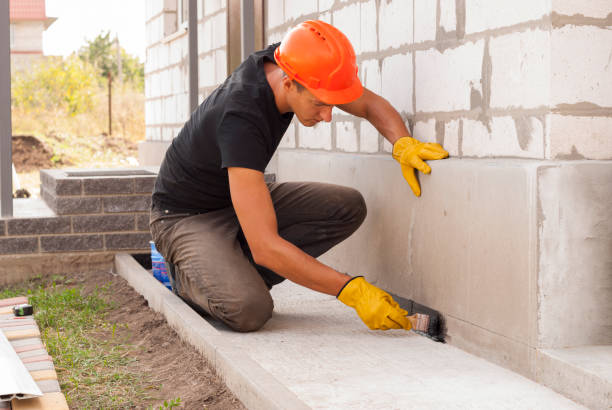
We start by pumping out any standing water, then move straight into liner installation and humidity control.
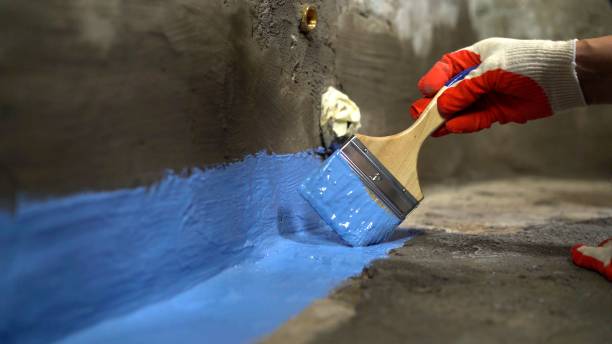
A rushed encapsulation job with unsealed seams or unwrapped piers looks fine on day one and fails within a season. We treat seam sealing and pier wrapping as core parts of the install, not optional add-ons that get skipped to save time.
Every crew member is trained specifically on liner installation, seam sealing, and vent encapsulation, not general basement work.
Our technicians carry encapsulation materials on the truck for most standard-size crawl spaces, cutting down on return visits.
Pricing is based on your crawl space's actual square footage and condition, quoted in writing before liner installation begins.
We measure relative humidity before and after installation to confirm the space is actually staying below the threshold where mold and wood rot take hold.
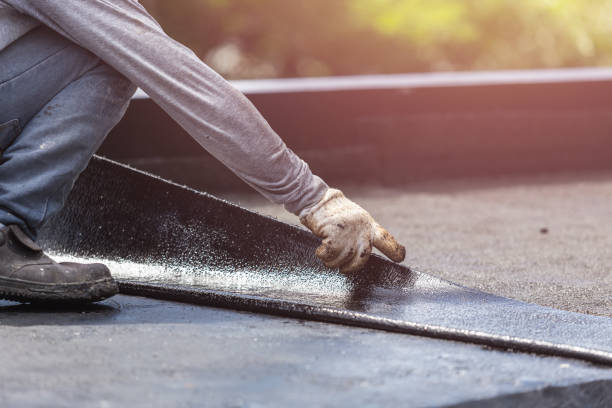
Every Swarthmore, PA Crawl Space Encapsulation job starts with an inspection, not a generic package — here's what that typically includes.
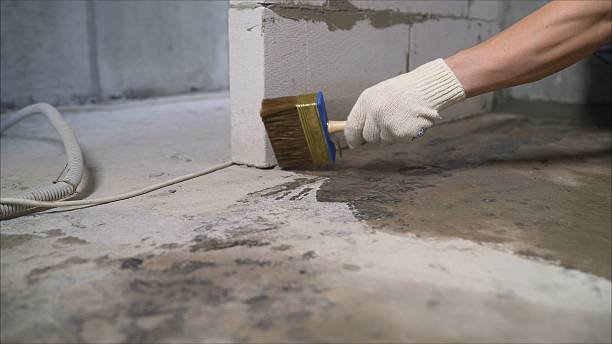
Before any liner goes down, we pump out existing standing water and remove debris left behind by prior drainage failures.
Liner thickness is selected based on foot traffic and how the space will be used going forward, not a flat default.
Open foundation vents pull in humid outside air, which is often the real driver of Swarthmore, PA crawl space condensation — we seal them as part of encapsulation.
We route discharge lines well away from the foundation so pumped water doesn't just cycle back in.
Exposed ductwork inside an unencapsulated crawl space collects condensation, which we address by insulating and sealing ducts while the space is open.
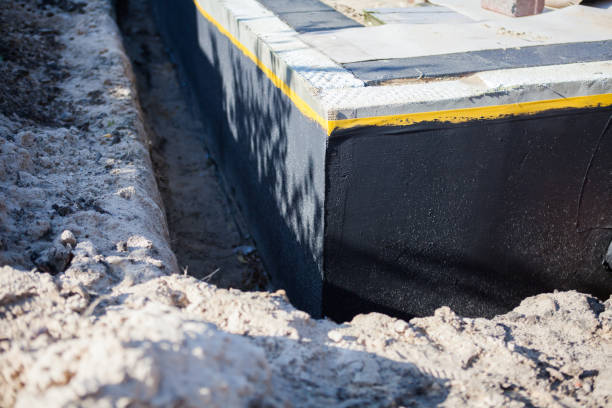
We ask about standing water, musty odor, and vent condition to gauge scope before scheduling the inspection.
A technician physically enters the space to check for standing water, existing liner condition, vent count, and duct exposure.
We explain trade-offs between liner thickness options so you can choose what fits your budget and goals.
Most residential encapsulations finish in one to two days depending on square footage and access.
"Our crawl space had standing water and a mold smell we couldn't get rid of no matter what we tried. Full encapsulation with a dehumidifier fixed it in one visit."
— Swarthmore Homeowner
"Sump discharge from the old system was dumping water right back next to the foundation. They rerouted it and the crawl space finally dried out."
— Swarthmore Customer
"Access to our crawl space is tight and awkward, but the crew didn't seem bothered by it at all."
— Swarthmore Homeowner
"Humidity reading before was over 80%. After encapsulation it's holding steady in the 50s."
— Swarthmore Customer
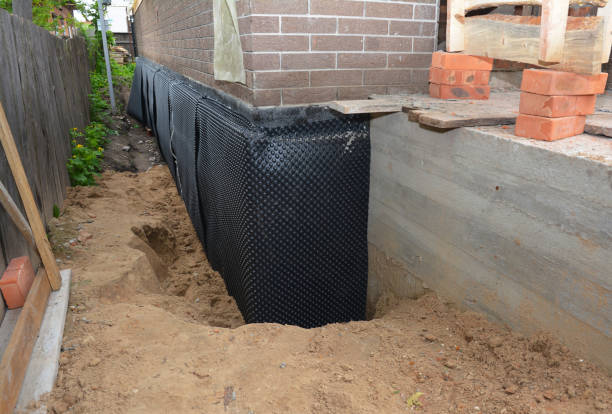
A vapor barrier is just the liner on the ground; full encapsulation seals vents, walls, and often adds a dehumidifier for complete moisture control.
We'll recommend a thickness based on how the space is actually used, not just a default.
In most Swarthmore, PA climates, yes — open vents pull in humid air that undoes a lot of the benefit of the liner alone.
If the smell persists after encapsulation, that usually points to a separate moisture source we'd need to investigate.
Standing water doesn't disqualify a space from encapsulation; it's just the first step in the process.
Most residential jobs finish in one to two days depending on square footage and how much prep work is needed.
We encapsulate crawl spaces throughout Swarthmore and the surrounding Swarthmore, PA service area, including the zip codes listed below.
Zip codes we serve in Swarthmore, PA: 19081
One call gets you a licensed specialist, a written quote, and a same-day time window.
Call +1-866-476-1348© SGP Waterproofing. All rights reserved.